
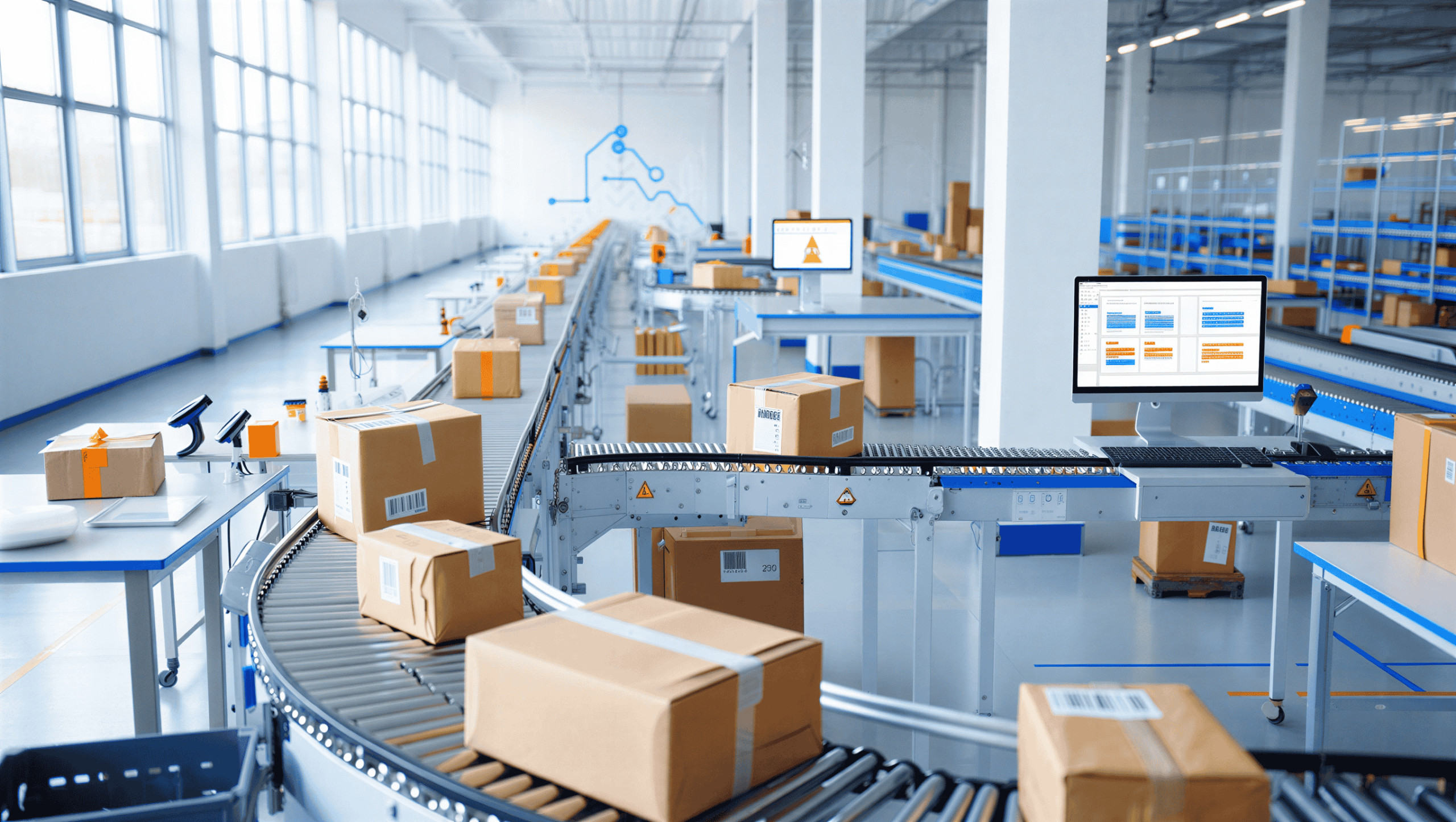
In today’s fast-paced e-commerce environment, shipping accuracy isn’t just a nice-to-have—it’s a core part of your customer experience. A single mistake in the fulfillment process can lead to returns, refunds, negative reviews, and increased operating costs. When your business begins processing orders at scale, even small errors can snowball into serious financial losses and lost customers.
That’s why automation tools have quickly become one of the most powerful solutions for online retailers. They streamline repetitive tasks, minimize human errors, and ensure every order moves smoothly from checkout to delivery. In this guide, we’ll break down exactly how you can reduce shipping mistakes and save money by integrating automation into your fulfillment workflow—whether you’re running a small boutique shop or a high-volume online store.
The True Cost of Shipping Errors
Before diving into automation, it’s important to understand how damaging shipping mistakes actually are for e-commerce businesses.
Common Shipping Mistakes
Even the most organized teams make errors, especially when order volume rises. The most common include:
-
Entering wrong or incomplete addresses
-
Shipping the wrong items or wrong quantities
-
Packaging delays or missed shipping deadlines
-
Misprinted or duplicated shipping labels
-
Failing to update tracking information
-
Inventory mismatches leading to overselling
On their own, these may seem small. But at scale, they become expensive.
The Financial and Operational Impact
Shipping mistakes cost more than just the price of reshipping an item. They create ripple effects:
-
Costs for reshipping, refunds, or returns
-
Chargebacks from frustrated customers
-
Higher support ticket volume
-
Inventory inaccuracies
-
Negative customer reviews and reduced repeat sales
-
Extra labor hours spent sorting out mistakes
For many online stores, shipping issues are one of the biggest drains on profit—especially during peak seasons.
Why Manual Processes Make It Worse
If your team is typing addresses manually, selecting carriers by hand, or printing labels one by one, eventually errors will slip through. Manual workflows create:
-
Inconsistent results
-
Lack of visibility
-
Slower fulfillment times
-
Higher stress on staff
Automation solves all of this by introducing accurate, repeatable systems.
What Shipping Automation Really Means
Shipping automation refers to the software and tools that take over repetitive fulfillment tasks—ensuring you ship faster, more accurately, and more affordably.
Key Processes You Can Automate
Shipping automation can handle:
-
Importing orders from multiple sales channels
-
Validating addresses instantly
-
Comparing carrier rates
-
Printing shipping labels
-
Updating order status
-
Sending tracking notifications
-
Syncing inventory
-
Assigning the right warehouse or carrier
Instead of managing these steps manually, automation tools handle them 24/7 with unmatched precision.
Examples of Popular Automation Tools
Some of the most widely used tools include:
-
ShipStation – advanced automation rules, multi-carrier support
-
EasyPost – developer-friendly shipping API
-
AfterShip – tracking, notifications, post-purchase experience
-
ShippingEasy – automation + built-in inventory management
-
Shopify Automations – for merchants using Shopify’s ecosystem
These tools help you reduce errors from the moment an order is placed until it arrives at your customer’s doorstep.
How Automation Reduces Shipping Errors
Automation doesn’t just make things easier—it dramatically improves accuracy.
1. Automatic Address Verification
Wrong addresses are one of the most expensive shipping errors. Most automation tools verify addresses using USPS, UPS, FedEx, or global postal databases.
Benefits include:
-
Fewer undeliverable shipments
-
Avoiding correction fees (carriers often charge $15–$20)
-
Eliminating manual typing errors
2. Smart Order Routing
If you have multiple warehouses or fulfillment locations, automation systems determine:
-
Which warehouse is closest
-
Which location has inventory
-
Which carrier is most cost-effective
This prevents shipping delays and routing mistakes.
3. Automated Label Creation
Instead of selecting carrier services manually, automation:
-
Chooses the correct carrier
-
Applies the right shipping service
-
Generates labels automatically
-
Eliminates human entry errors
This is especially important during high-volume seasons when manual work becomes overwhelming.
4. Barcode Scanning and Verification
“Scan-to-verify” systems ensure the correct items and quantities are packed. The system alerts your team instantly if the wrong item is scanned.
This alone can reduce picking and packing errors by up to 99%.
5. Real-Time Tracking Sync
Automation tools update tracking numbers automatically in:
-
Your store (Shopify, WooCommerce, etc.)
-
Your CRM
-
Your email/SMS notification system
This reduces customer support messages like, “Where is my order?”
6. Inventory Sync Across Platforms
If you sell on multiple platforms, automation ensures inventory updates in real time. This prevents:
-
Overselling
-
Shipping unavailable items
-
Stock count confusion
-
Backorders that frustrate buyers
How Automation Saves You Money
Reducing errors is only part of the benefit—automation directly lowers operating costs.
1. Automatic Rate Shopping
Automation tools compare shipping rates across multiple carriers instantly, choosing the best option based on:
-
Cost
-
Speed
-
Delivery reliability
-
Customer preference
This ensures you never overpay for shipping again.
2. Lower Labor Costs
Automation reduces the need for:
-
Manual data entry
-
Extra seasonal staff
-
Weekend overtime
This keeps payroll lean while fulfillment quality remains high.
3. Fewer Returns and Reshipments
Accurate fulfillment means:
-
Fewer returns
-
Fewer reshipments
-
Less inventory loss
Every avoided mistake is money saved.
4. Faster Fulfillment = Happier Customers
Automated workflows speed up your entire shipping process. This leads to:
-
Higher satisfaction
-
More repeat customers
-
Better reviews
-
Higher lifetime value (LTV)
5. Reduced Address Correction Fees
Carriers charge fees when they need to correct a wrong address. Automation prevents most of these errors entirely.
The Best Automation Tools for Reducing Errors & Costs
Here are some tools that excel in different areas:
ShipStation
Best for: stores needing full automation + multi-carrier support
Features:
-
Automatic rules
-
Label batching
-
Rate comparison
-
Inventory and order synchronization
EasyPost
Best for: developers needing shipping APIs
Features:
-
Multi-carrier support
-
Custom automation
-
High-volume flexibility
AfterShip
Best for: tracking and post-purchase experience
Features:
-
Customer notifications
-
Tracking dashboards
-
Delivery analytics
ShippingEasy
Best for: small to medium businesses
Features:
-
Automation rules
-
Discounted USPS rates
-
Built-in inventory management
Shopify Automation
Best for: Shopify merchants
Features:
-
Automated workflows
-
Order tagging
-
Smart routing
Choose the tool that best aligns with your business model and growth goals.
Step-by-Step Guide to Implementing Shipping Automation
Here’s a simple roadmap to transition from manual to automated fulfillment:
Step 1: Identify Your Shipping Problems
Examples:
-
Too many picking errors
-
Slow label creation
-
High shipping costs
-
Customer complaints about tracking
Step 2: Choose Your Automation Platform
Pick a tool that integrates with your tech stack (Shopify, WooCommerce, Amazon, etc.).
Step 3: Connect All Your Sales Channels
Centralize your orders into one dashboard for easier management.
Step 4: Set Up Automation Rules
Examples:
-
“If order weight is under 1 lb, use USPS First Class.”
-
“If shipping to the West Coast, use Warehouse B.”
-
“Automatically send tracking information.”
Step 5: Turn On Address Validation
This alone prevents many expensive mistakes.
Step 6: Automate Customer Notifications
Send tracking updates instantly to reduce support workload.
Step 7: Test Your Workflows
Process a few sample orders to ensure everything works as expected.
Step 8: Review Analytics and Optimize
Check regularly for:
-
Failed shipments
-
Delays
-
High-cost carriers
-
Bottlenecks
Automation becomes more powerful as you refine your rules.
Real-Life Example: Automation in Action
Imagine an online store receiving 150–200 orders daily. Before automation, their small team struggled with:
-
Wrong items packed
-
Missing tracking numbers
-
Long fulfillment times
-
Shipping overly expensive routes
After implementing a shipping automation tool, they:
-
Reduced fulfillment time by 40%
-
Lowered shipping costs by 20%
-
Cut customer complaints in half
-
Eliminated manual label creation
-
Improved accuracy to nearly 100%
This transformation didn’t require hiring more people—just smarter systems.
Common Mistakes to Avoid When Automating
-
Over-relying on automation without monitoring results
-
Forgetting to update rules during busy seasons
-
Using disconnected tools that don’t integrate
-
Not training staff on new systems
-
Ignoring alerts or error messages
Automation is powerful, but it still requires oversight.
Conclusion
Shipping errors are costly, frustrating, and harmful to your brand reputation—but they’re also avoidable. By integrating automation tools, you can reduce human mistakes, speed up fulfillment, and significantly lower operating costs. Whether you’re managing one store or multiple sales channels, automation ensures your business runs smoothly at any scale.
If you want to cut costs, boost customer satisfaction, and operate like a modern e-commerce brand, now is the time to embrace shipping automation.