
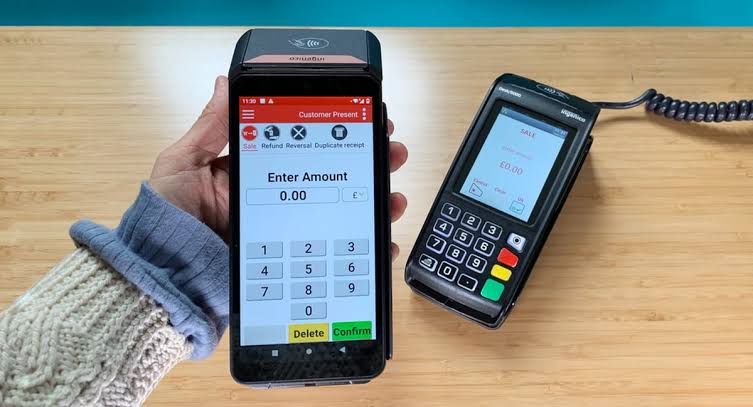
As a small business owner, you’re constantly juggling responsibilities—sales, marketing, stock, customer support, and of course, payment handling. If the last part ever feels complicated or stressful, that’s completely normal. One of the key tasks in running a business is ensuring you get paid efficiently, securely, and in the way your customers prefer. That’s where Worldpay can help.
This comprehensive guide breaks down everything you should know about Worldpay: what it does, how it functions, its advantages and drawbacks, and how to decide if it’s the right solution for your business.
What is Worldpay?
Worldpay is an international payment processing provider that enables businesses to accept payments across in-store, online, and mobile channels. It offers everything from physical card terminals to eCommerce integrations, giving businesses tools for secure transactions, fraud protection, and detailed reporting.
Initially founded in the UK, Worldpay now powers payments for millions of companies worldwide. It later became part of FIS (Fidelity National Information Services) and continues to expand its capabilities for modern commerce.
Why Payment Processing Matters for Small Businesses
Before looking at Worldpay specifically, it’s important to understand why having a strong payment processor is essential.
Common challenges small business owners face include:
-
High processing fees
-
Limited payment options for customers
-
Slow payout times
-
Exposure to fraud and chargebacks
-
Difficulty syncing payments with inventory or invoices
Choosing the right provider can reduce these issues and improve both customer experience and cash flow.
Key Features of Worldpay
Worldpay offers more than basic card processing. It’s a complete payments platform, featuring:
1. In-Person Payment Terminals
-
Readers that work with chip, tap, and swipe
-
Countertop and wireless terminals
-
Support for mobile wallets like Apple Pay and Google Pay
2. Online Payment Tools
-
Hosted checkout pages
-
API and gateway options for online stores
-
Support for recurring payments and subscriptions
3. Fraud & Security Tools
-
PCI-DSS compliance
-
Real-time fraud detection
-
3D Secure for online purchases
4. Reporting & Analytics
-
Real-time dashboards
-
Downloadable reports
-
Integrations with accounting software
5. Omnichannel Payments
-
Accept payments across online, in-store, and mobile channels
-
Unified data reporting
-
Seamless customer experience
Benefits of Worldpay for Small Businesses
Here are some reasons business owners often choose Worldpay over other providers:
1. Supports Multiple Payment Types
Credit cards, debit cards, digital wallets, PayPal—Worldpay covers them all.
2. Scales Easily
Businesses can start small and upgrade as they grow. Worldpay suits both new ventures and enterprise-level brands.
3. International Capabilities
If you plan to reach global customers, Worldpay supports 120+ currencies.
4. Strong Industry Reputation
Worldpay has decades of experience and processes billions in transactions yearly.
5. Reliable Customer Support
Round-the-clock assistance ensures problems are fixed fast.
How to Get Started with Worldpay
If you’re considering signing up, the process looks like this:
-
Visit the Worldpay site to explore solutions.
-
Pick a plan that matches your business needs.
-
Request a personalized quote—pricing varies by industry and sales volume.
-
Complete setup with their onboarding team.
-
Begin accepting payments.
It’s wise to compare Worldpay’s pricing with alternatives like Stripe, Square, or PayPal before making a decision.
Pricing Overview
Worldpay doesn’t list one-size-fits-all rates because costs depend on:
-
Business type
-
Monthly volume
-
Card types processed
-
Whether transactions are online or in-person
You can expect:
-
Setup fees (sometimes waived)
-
Monthly service charges
-
Transaction fees typically between 1.5%–3.5%
-
Chargeback fees
Request a detailed breakdown to understand your actual costs.
Is Worldpay a Good Fit?
Best suited for:
-
Businesses with consistent or high transaction volume
-
Brands that need both online and in-person payment tools
-
Entrepreneurs planning to scale
Not ideal for:
-
Very small or hobby businesses
-
People who prefer simple, flat-rate pricing with no contracts
If you’re building a business with room to grow, Worldpay has the infrastructure to support you long-term.
Alternatives to Worldpay
If Worldpay doesn’t meet your needs, consider:
-
Square: Great for small retailers and simple pricing
-
Stripe: Excellent for developers and online stores
-
Shopify Payments: Ideal for Shopify-based businesses
The right option depends on your model, tech abilities, and transaction volume.
Final Thoughts
Worldpay isn’t just a tool for collecting payments—it’s a complete system designed to handle real-world operational challenges. With robust security, scalability, and multi-channel support, it’s built for businesses aiming for long-term growth.
If you’re looking for a dependable, comprehensive payment solution, Worldpay is worth considering. You can visit their website and request a custom quote to get started.
FAQs
1. Is Worldpay good for small businesses?
Yes. It offers strong features and global support, making it a solid option for growing small businesses.
2. What are the fees?
Transaction fees usually range from 1.5%–3.5%, along with possible setup and monthly charges.
3. Does it support recurring payments?
Yes, Worldpay includes subscription and recurring billing tools.
4. Can it integrate with Shopify and WooCommerce?
Yes, Worldpay connects with major eCommerce platforms like Shopify, WooCommerce, and BigCommerce.
5. Is a contract required?
Generally yes—contracts usually range from 12 to 36 months, so it’s important to confirm terms before signing.